
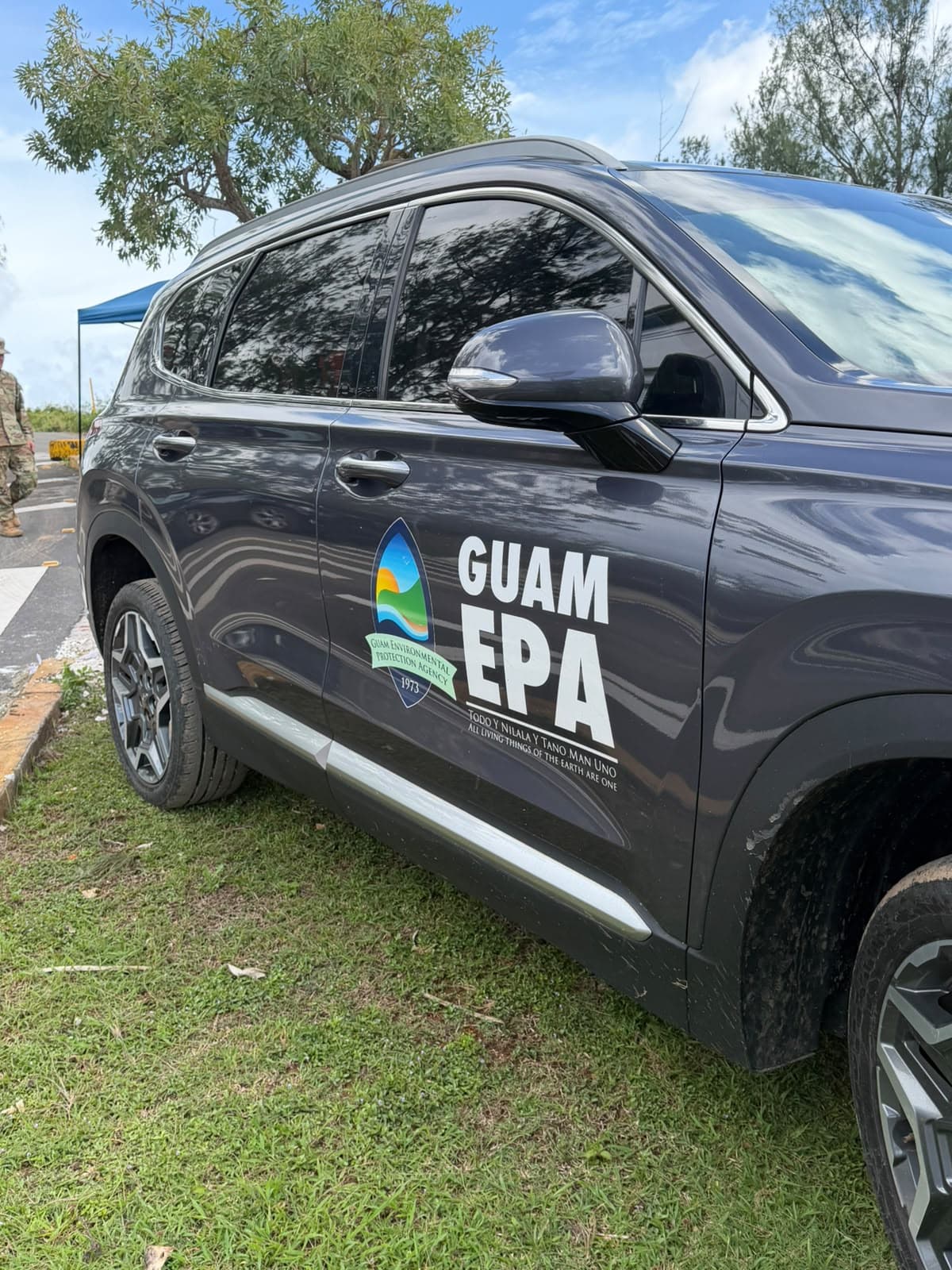
The Office of Public Accountability found that Guam Environmental Protection Agency funds intended for environmental cleanup, hazardous material response and restoration were primarily used for agency operating expenses, according to a performance audit.
From fiscal 2020 through fiscal 2024, approximately $1.7 million from the Environmental Trust Fund was used primarily for GEPA salaries, utilities and contractual services, leaving limited resources available for environmental emergencies and remediation efforts, according to OPA Report No. 26-10.
The audit also identified transactions involving the Better Public Service Fund, or BPSF, that raised questions about whether ETF revenues were being allocated and used in accordance with statutory requirements.
According to the report, accounting entries recorded allocations to the BPSF associated with ETF revenue. The report noted that journal vouchers documenting BPSF transfers were separate from revenues already deposited into the ETF.
The transfers were identified in journal entries as “insurance assessment fees,” the OPA said.
The BPSF also received funding from the General Fund, Guam Highway Fund, Health and Human Services Fund, and Youth Tobacco Education and Prevention Fund from fiscal 2021 through fiscal 2025, according to the audit.
“Transfers from these five funds to the BPSF totaled approximately $8.4 million,” the OPA said.
Although Department of Administration officials indicated that the transactions did not reduce special fund balances, the timing and classification of the transfers created the appearance of interfund reallocations, the report said. The OPA said the transactions may warrant a future audit of the BPSF.
GEPA officials told auditors they believed the use of ETF resources to support agency operations was authorized through the annual General Appropriations Act.
According to the report, GEPA prepares an annual budget request and expenditure plan outlining proposed spending for the upcoming fiscal year. The GEPA administrator approves the documents before submitting them to the Bureau of Budget and Management Research and the Guam Legislature for review.
Once funding sources are appropriated through the annual budget law, GEPA considers the associated operating expenditures approved, the report said.
The audit also found that statutory eligibility requirements, including emergency declaration thresholds and spending limits, restrict when ETF resources can be used.
Although the law allows up to 25% of ETF funds to be used for environmental prevention, emergency spending without legislative appropriation is limited to $5,000 per declaration, according to the report.
GEPA told auditors that the limit was insufficient to support necessary response activities, restricting the agency's ability to address needs consistent with the fund's statutory purpose.
The OPA recommended that GEPA establish and implement written procedures for collecting and processing the 2% insurance premium surcharge.
It also recommended that GEPA work with the Department of Revenue and Taxation and the Department of Administration to clarify whether insurance premium revenues collected for the ETF are subject to the 10% allocation to the BPSF.
The OPA further recommended that the Guam Legislature ensure future ETF appropriations align with the fund's intended purpose.
The report also called for GEPA and the Legislature to evaluate whether the ETF's current legal framework adequately supports environmental cleanup, hazardous material response and restoration activities while covering necessary administrative costs.
According to the OPA, GEPA expressed a willingness to address the findings and strengthen the administration, oversight and management of the funds.