
The Department of Public Health and Social Services has released a five-year strategic plan for the Division for Homelessness Assistance and Poverty Prevention that calls for at least 50 transitional housing and shelter beds by 2030.
"The greatest barrier was the lack of affordable housing (79%)," DHAPP officials stated.
Priority goal two relates to operations and services infrastructure and sets a target date of Oct. 1, 2030, for DHAPP to oversee and manage at least one transitional housing and one shelter program.
"Providing a minimum capacity of 50 beds in total to help ensure safe, temporary housing and pathways to permanent housing for individuals and families experiencing homelessness," the strategic plan states.
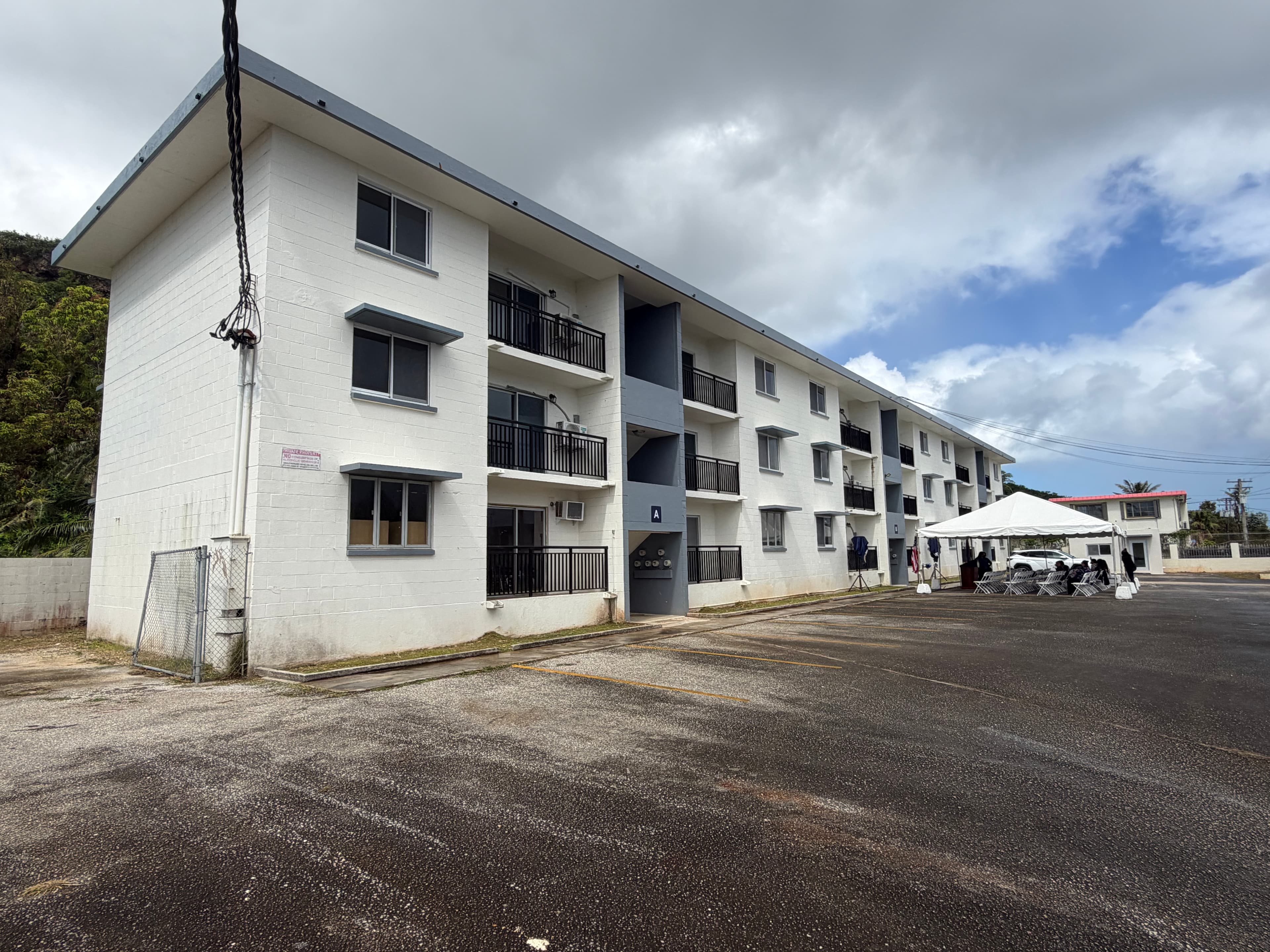
The plan has already gained some traction with the recent opening of Bradley Apartments, a transitional housing facility in Anigua with 18 two-bedroom units.
The strategic plan also calls for the establishment of a dedicated DHAPP hub.
The plan is intended to guide efforts to strengthen Guam's response to homelessness and poverty over the next five years through a focus on "compassion, coordination and long-term stability."
Former DPHSS Deputy Director Amanda Shelton said, "The strategic plan provides a clear roadmap for strengthening coordination, improving access to services, and ensuring our work is guided by data, accountability, and community input."
Web surveys and listening session results included in the strategic plan identified an "urgent need for affordable housing and transitional shelter options, improved service coordination and expanded practices such as Housing First and rapid rehousing."
It also highlighted transportation barriers and "the absence of a centralized drop-in center and need for DHAPP to serve as a hub for service navigation and case management."
The strategic plan used a strengths, weaknesses, opportunities and threats or SWOT, analysis of the surveys and stakeholder input and turned it into "actionable insights."
Threats identified in the analysis included "policy change affecting Supplemental Nutrition Assistance Program benefits, stigma and discrimination, funding and legislative support, generational homelessness and funding instability."
Other priority goals contained in the strategic plan seek to address the root causes of "pressing challenges" and "support populations with the greatest needs."
According to a web survey of 29 respondents from government agencies, shelters, academic institutions and faith-based groups, families with children were identified as "most in need (72%), followed by individuals who experience chronic homelessness, those with mental illness and people with disabilities."
The first goal includes establishing and implementing a "clearly defined" organizational structure that promotes internal and external collaboration to meet community need. It also calls for the implementation of a "public awareness campaign," focused on DHAPP's "mission, vision, values and community access to services."
The third goal seeks to modernize technical infrastructure by implementing an integrated case management system and reporting tools, including Medicaid integration.
The fourth goal focuses on strategic partnerships, including establishing memorandums of understanding with key partners such as the Guam Regional Transit Authority, the Guam Behavioral Health and Wellness Center, and the Guam Housing and Urban Renewal Authority.
The fifth goal relates to diversifying and sustaining funding to "reliably deliver services ... maintain accountability and stay resilient and adaptable through shifting needs and resources."
The objective is to identify federal, state, local and private grant opportunities aligned with DHAPP's mission and service gaps. It also calls for a "structured grant pipeline framework to track opportunities, deadlines and application status for federal, local and private grants."
Regarding accountability and effectiveness, the strategic plan will undergo annual reviews of the objectives and initiatives.
"These reviews will evaluate progress against key performance indicators, identify trends and gaps, and incorporate stakeholder feedback and best practices. DHAPP leadership and key community stakeholders will lead the review process, helping to ensure effectiveness and transparency," the plan states.