
In 2005, Guam passed the Educator Appreciation Act, the intent was to provide tax rebates to educators spending out of pocket on classroom and educational supplies for students. But that didn't happen and the reason, is why one senator is seeking federal assistance.
The law creates the Educator's Qualifying Certificate or EQC program, modeled after the Qualifying Certificate program administered by the Guam Economic Development Authority. It provides rebates for qualified expenses up to $500 on taxes paid by teachers to cover classroom expenses like books and other educational resources.
To qualify as an expense unreimbursed classroom expenses must exceed $250.
The way it was supposed to work is when a return is filed with an EQC, the tax due is deposited with the government. If nothing is owed, then the Tax Commissioner credits the EQC amount to the Rebate Fund. The rebate check is issued within 180 days to the taxpayer.
The question posed on March 31, 2008, asked whether income tax rebates for educator expenses enacted by the legislature and administered outside the realm of Guam Economic Development and Commerce Authority is authorized under the Organic Act and the Guam Territorial Income Tax Code.
The short answer is "no."
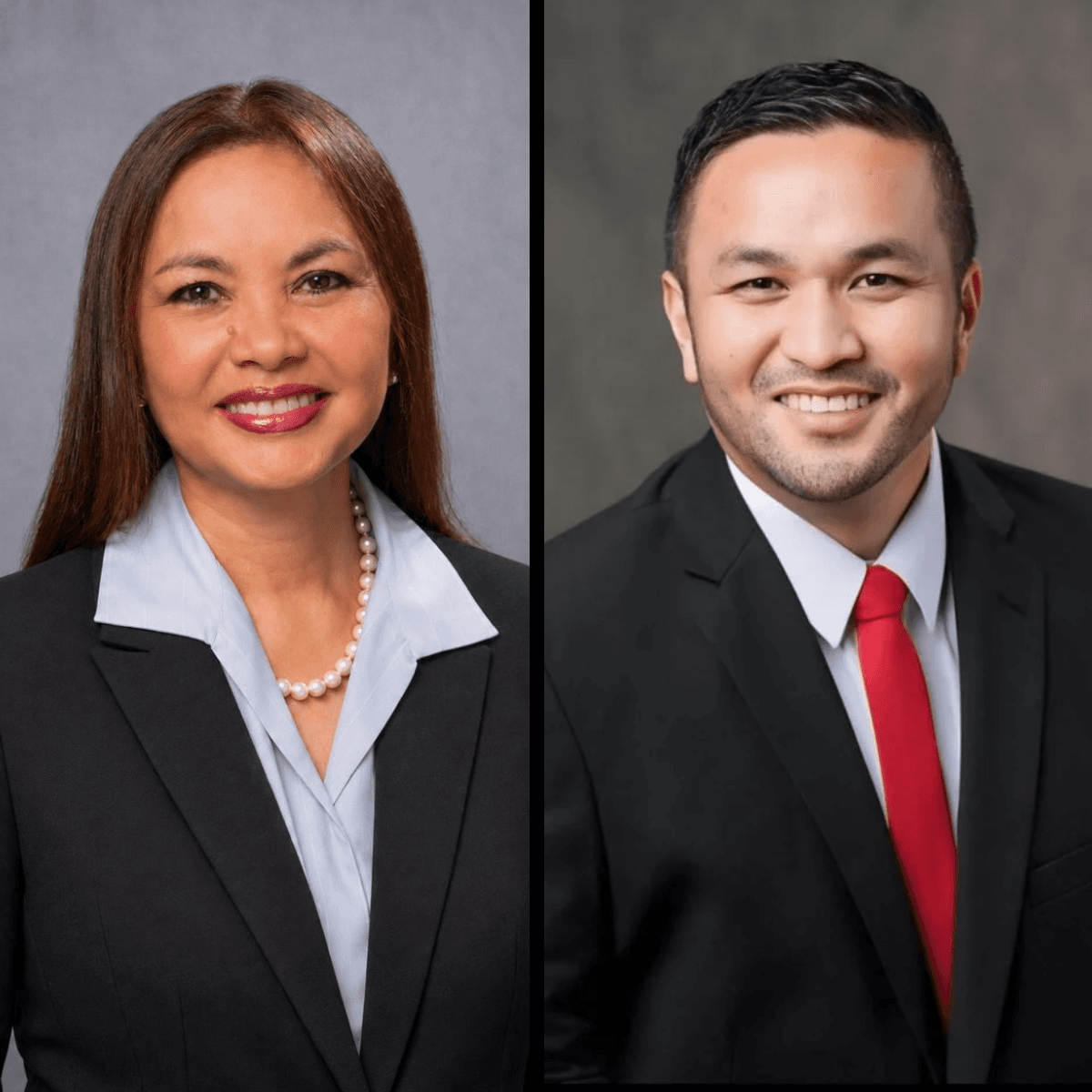
Guam Delegate-Elect Alicia Limtiaco, in 2005, was then Attorney General her office issued the 2008 opinion on several grounds.
First, Guam's income tax is "mirrored" from the U.S. Internal Revenue Code, IRS. That basically means in the language of the Code Guam substitutes for United States but everything else in the Code stays as written.
Second, the Legislature can't change the mirror code. The AG opinion cited Sayre and Co. v. Riddell, 1968 and Bank of America v. Chaco, 1976.
GEDA's tax rebates are only allowed because it has congressional authorization. the Educator rebates don't. and the only Guam rebates that survive are tied to the old Qualifying Certificate Program.
Under Ramsey v. Chaco, 1977, that program was grandfathered because it was enacted before 1968, when Congress's silence for a year meant implied approval of Guam laws. That implied-approval mechanism was eliminated in 1968 and expressed congressional approval to alter the mirror code is needed.
That means the GEDA exception can't be extended to educators. More than 20 years later teachers are still paying out of pocket but at a higher cost of living.
While Bill 203-38, introduced by legislative Committee on Education, Libraries and Public Broadcasting Chair Sen. Vincent Borja and five other senators, would raise the cap in the EQC from $500 to $1,000, it does not address the root of the problem, the educator rebate cannot be implemented under Guam's existing territorial income-tax framework without congressional authorization.
Recognizing this Borja sought federal legislative assistance from Limtiaco, who in January will be sworn into office as Guam's Delegate to the 120th United States Congress.
Limtiaco proposed a different route: have the Legislature appropriate local money and reimburse teachers directly. That would be a spending program and not a change to the income tax. Her suggestion is the bill's $1,000 figure be treated only as "a starting point for estimating the cost."