
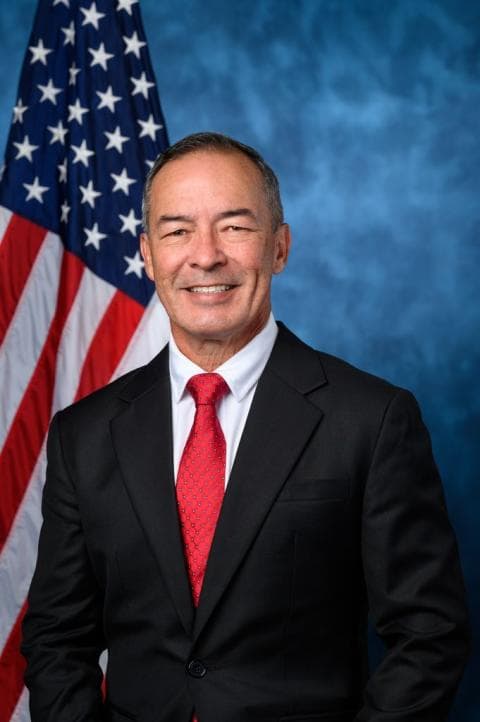
The Radiation Exposure Compensation Reauthorization Act of 2026 (RECRA) introduced by Guam Del. James Moylan contains six provisions aimed at addressing gaps in compensation to individuals harmed by radiation exposure from the United States' atomic weapons program including residents of Guam.
Although the Radiation Exposure Compensation Act (RECA) was partially expanded in 2025, Moylan said remaining gaps continue to create barriers to compensation and recognition for Guam and other communities.
The legislation would do the following:
Expand eligibility to additional radiation-exposed communities including Guam.
Create a pathway for new classes of individuals covered under the Act through a petition process to the President.
Increase compensation to $150,000 and allows reimbursement for medical expenses.
Broaden the list of eligible diseases and extend claim deadlines by 15 years.
Streamline the claims process through use of affidavits where records are unavailable. While also expanding eligibility provisions retroactively to July 1, 2025.
Advance research and oversight by directing studies on the health impacts of radiation exposure, including impacts on the Northern Mariana Islands, descendants of affected individuals, and other exposed populations.
The bill takes into account the "unique challenges" faced by rural, tribal, Native and territorial communities and expands eligibility for atomic cleanup veterans. It also directs a comprehensive study into the long-term and multigenerational health effects of radiation exposure.
“The Northern Mariana Islands deserves answers, too. This issue was recently raised with me by members of our community who asked whether radioactive fallout from nuclear testing in the Pacific may have reached the Northern Mariana Islands and what that exposure could have meant for the health of our people," Commonwealth of the Northern Mariana Island Rep. Kimberlyn King-Hinds, R-CNMI said.
The measure has garnered support from a bipartisan coalition of survivors, advocates, communities along with co-lead Representatives Bell, D-MO, Teresa Leger Fernández, D-NM, and Brittany Pettersen, D-CO, and co-sponsors including King-Hinds.
King-Hinds said she is grateful to Moylan for including the CNMI in the bill.
"We should not presume what the science will tell us. But our people deserve to have the question asked, the history examined, and the research done. This is how representative government should work: our community raises a concern, we listen, and then we get to work finding answers," she said.
Recognizing the potential impact, Rep. Gabe Vasquez, D-New Mexico, stressed "By cutting red tape for claimants, extending the filing period by 15 years, covering additional diseases caused by radiation and so much more, this bill will make a meaningful difference in the lives of Downwinder communities in New Mexico and beyond and I am proud to support it."
Moylan reaffirmed his commitment to ensuring Guam and other excluded jurisdictions are heard and included.