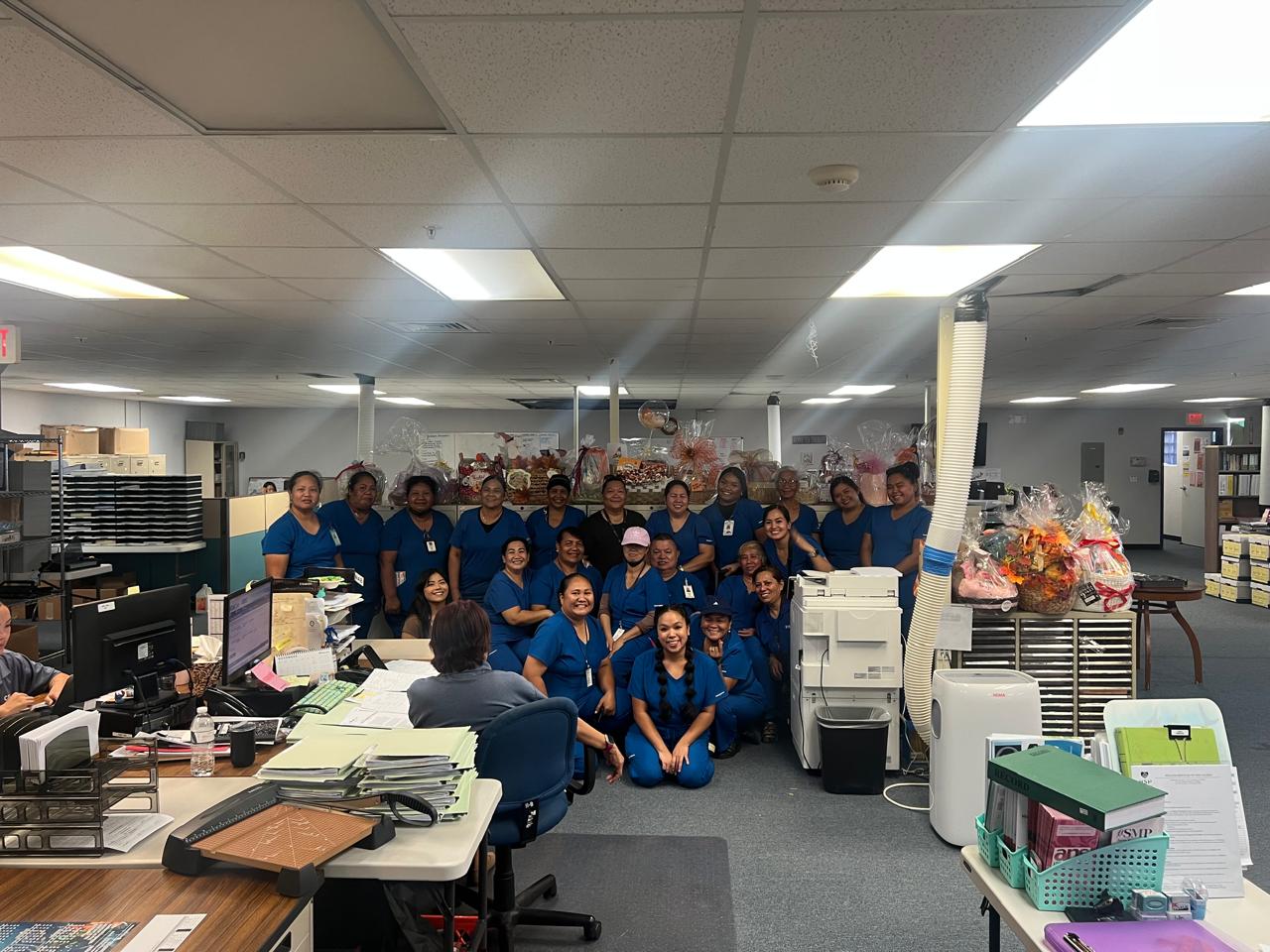
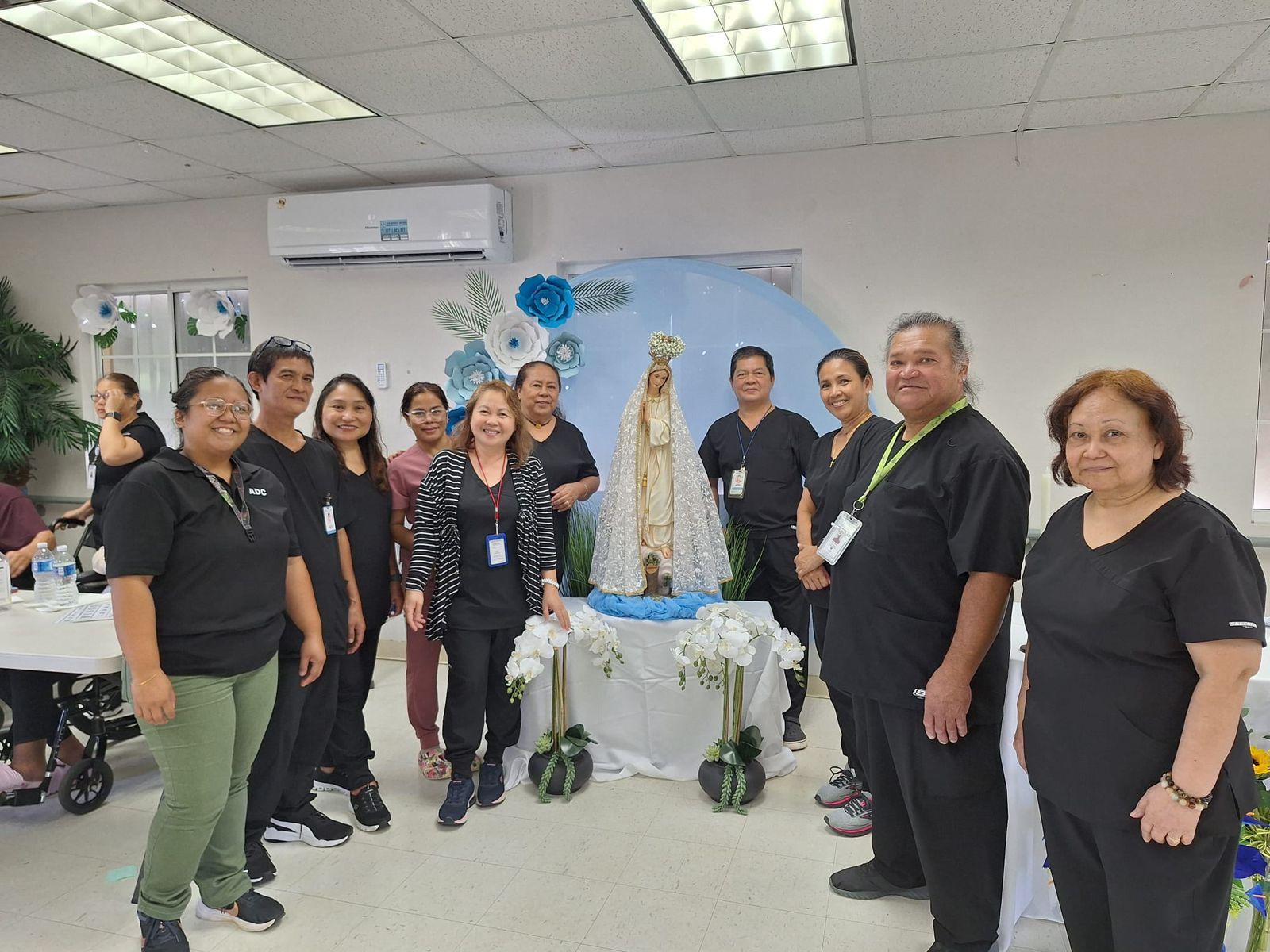
Employees of Health Services of the Pacific faced uncertainty over their Friday paychecks after the company warned of possible delayed salary payments because of outstanding reimbursements from the Department of Public Health and Social Services' Division of Senior Citizens. However, the Department of Administration which issues the payments confirmed Tuesday that the outstanding payments were being released.
DOA Director Edward Birn provided the confirmation and explained the reason for the delayed reimbursements.
"Invoices first submitted by DPHSS to DOA Oct. 15. Incomplete support. Further support submitted to DOA Oct. 21. PO (purchase order) values were exceeded, additional validation required to complete payment process. It will be paid today," Birn said.
Before speaking with Birn, Guam News Network interviewed Health Services of the Pacific Title III Program Manager Melissa Castro, who said six payment requests had been submitted since reimbursement delays began in August, but the company had not received payment. She later confirmed the government owed HSP $373,100.93 for August and September.
Castro said HSP had been absorbing the costs to prevent employees from experiencing delayed paychecks.
"We can sustain it; however, we are still owed two months going into or leading into the new fiscal year, which is October, which would make three months. So, you're looking at August, September and October payments," Castro said.
GNN obtained a copy of a Nov. 23 memorandum issued by HSP Administrator Lisa Mesa. Circular No. 26-064 was addressed to employees of the company's Title III programs and cited unpaid reimbursements from DPHSS.
"This memorandum serves as a formal notice to all Title III staff regarding a potential nonpayment of salaries on the scheduled payday/upcoming payday, November 27, 2026, due to the non-payment of funds by DPHSS Division of Senior Citizens," Mesa said.
Mesa cited outstanding payments dating back to August and September, totaling nine pay periods as of Nov. 23.
"Unfortunately, the non-receipt of these funds has affected HSP's ability to process and release staff salaries/wages as scheduled," Mesa said. "HSP understands that employees rely on timely salary payments to meet their personal and financial obligations. We also recognize the inconvenience and hardship this delay may cause and sincerely regret the situation."
Castro said the company had reached the point where delayed paychecks were a real possibility.
"We're forced to at least notify our staff that it may come to that, give them a little heads-up to prepare for any financial obligations they have so they can make arrangements," Castro said.
HSP provides integrated health care services on Guam, including services contracted through DPHSS' Division of Senior Citizens for nearly 3,000 elderly residents. Although the services are contracted through DPHSS, reimbursement payments are processed through DOA.
Castro said HSP expects reimbursement within 45 days after submitting an invoice, which the company submits 10 days after each month of services to cover employee payroll costs.
Until Tuesday, HSP did not know when payment could be expected. However, within an hour of GNN's inquiry to Birn about the payment timeline, HSP confirmed it had received payment advice for $373,100.93.
"Our Finance department has received payment advice for both August and September for all four programs. Our team are immensely grateful and proud to continue to serve our Manåmko'. BIBA," Castro said after GNN informed HSP of DOA's response.
She also confirmed that reimbursement for October is still due.
Castro said HSP's Title III program provides several services to Manåmko' ages 60 and older, including case management, in-home services, the National Family Caregiver Support Program and adult day care.
She described the work employees perform to assist some of the island's most vulnerable residents, including those who are bedridden, live alone or lack family support.
"I'll give you one example. The most high-risk clients would be bedridden clients with no support, no family support, who live alone. And so, we rely on our services to care for them. And our case managers to reach out and locate resources to provide them housing if they need — for example, are living under unsafe buildings or in flood zones or are unhoused," Castro said.
"So, there's a lot of work to put into the client assessment as well as providing the service. And these are really — I want to say — hard workers. They have to go into remote areas, unsafe conditions of homes, to provide these services. And the passion that our staff has in order to do that is immeasurable, and we're very proud of them. And to not reimburse them for providing that service is unacceptable for us," she added.
Although the potential Friday payroll disruption appears to have been averted, Castro said before DOA confirmed the payments that continued reimbursement delays could ultimately affect the elderly residents who depend on HSP's services. She said nearly 3,000 clients enrolled in the Title III programs could lose access to the assistance they rely on if the company can no longer sustain the program financially as a result of delayed reimbursement payments.